Review · RIB & ZODIAC BOAT TOURS
Horta: University Startup Whale and Dolphin RIB Boat Trip
The most interesting part of this Horta trip is the university researcher on board. You are not simply taken offshore and pointed toward a blow. A marine biologist explains what you are seeing, how whales behave, and why the Azores attract so many species. The crew also works with land-based whale spotters in Faial and Pico, giving the boat a useful head start.
I like two things in particular: the careful approach to wildlife and the chance to see more than whales. Past trips have included sperm, sei, Bryde’s, and humpback whales, along with huge dolphin groups, loggerhead turtles, tuna, shearwaters, and thousands of feeding birds. The main consideration is the RIB ride itself. It can be rough and wet, and this trip is not suitable for children under five, pregnant women, or people with back problems or recent surgery.
Key points to know before you book
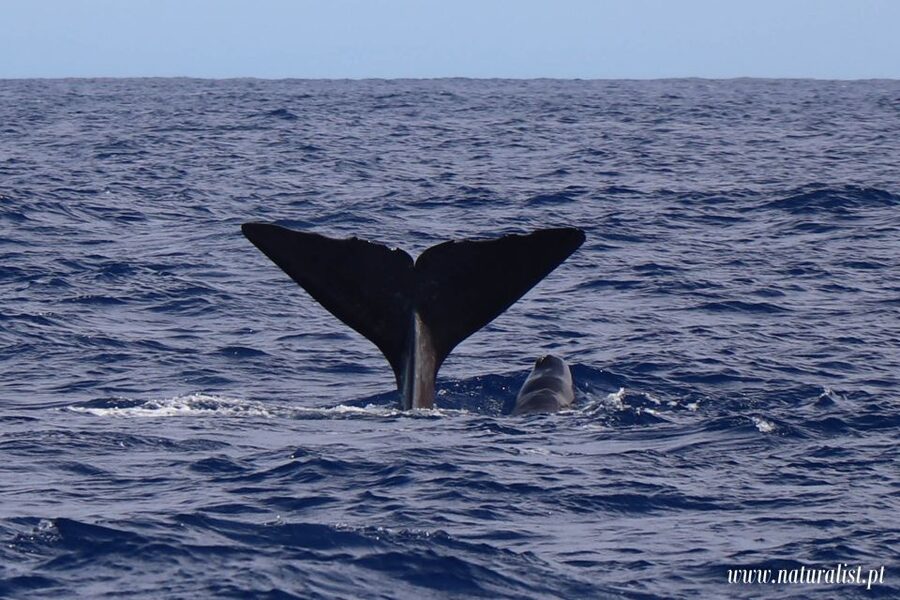
- University research is part of the outing: A marine researcher from the University of Lisbon and the Azores joins the boat, explains the animals, and collects data.
- Sperm whales can appear year-round: Blue and fin whales are more associated with spring, while sei and Bryde’s whales can also occur in summer.
- The RIB carries up to 16 people: Recent trips have had about 11 or 12 passengers, though group size can vary.
- Expect three hours on the ocean: Departures are scheduled at 9:00 in the morning and 2:00 in the afternoon.
- Waterproof clothing is supplied: Bring shoes that can handle spray, since the front seats can get wet.
- Weather controls the schedule: Trips may be rescheduled or canceled, with a full refund if the operator cancels.
Why the university connection matters on the water
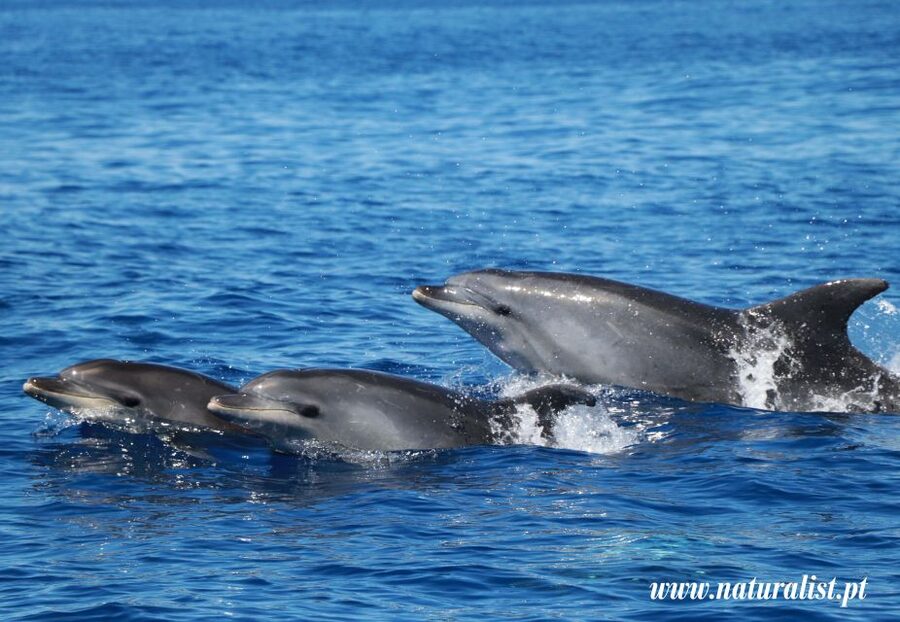
Horta is one of the Azores’ best-known bases for whale watching, but the quality of a trip depends on more than finding a fast boat. This outing links tourism with marine research. The scientist on board helps you understand the difference between a sperm whale and a sei whale, explains why dolphins travel in groups, and puts seasonal sightings into context.
That makes the trip more rewarding than a simple wildlife chase. If a whale surfaces only briefly, you still learn how to read the sighting. You might hear about breathing patterns, feeding behavior, migration, or the role of the Azores in the wider Atlantic. The information is intended to be current, since the researcher is also collecting data during the outing.
Guides have included marine biologists such as Anna and Cristiana. Cristiana, in particular, has been praised for explaining the whales and dolphins clearly, while Anna has been singled out for making the science accessible and interesting. The languages listed for regular departures are English and Portuguese. Spanish may be available, and French needs to be requested in advance according to staff availability.
I also like the research angle because it gives the money a wider purpose. One past participant specifically appreciated that some funds support student research. You are still buying a three-hour wildlife trip, but your ticket can also help keep scientific work active in the Azores.
More Dolphin and Whale Watching by Speedboat in Portugal
- Albufeira: Benagil Caves & Dolphin Watching Speed Boat Tour
★ 4.6 · 6,316 reviews - Funchal: Whale and Dolphin Watching Speed Boat Tour
★ 4.6 · 526 reviews - Pico Island: Azores Whale & Dolphin Watching on Zodiac Boat
★ 4.8 · 408 reviews
From Horta Marina to the open Atlantic
You meet Naturalist Science & Tourism at the marina in Horta. Arrive 15 minutes before departure, at 8:45 for the 9:00 morning boat or 1:45 for the 2:00 afternoon boat. Hotel pickup is not included, so plan your own way to the marina.
The first formal step is a safety briefing of about 10 minutes. This is important on a semi-rigid inflatable boat, where the ride is much more exposed than on a large covered vessel. You receive waterproof clothing, and safety insurance is included. Listen closely to the crew’s instructions about sitting, holding on, and moving around.
The boat carries up to 16 passengers. Actual group size can be smaller, with one October trip carrying 11 tourists and two marine biologists. A smaller group gives you more room and makes it easier to hear the guide, but you should not assume every departure will have the same number of people.
Once you leave the marina, the boat heads into open water while the crew searches for signs of cetaceans. This is not a fixed sightseeing route with guaranteed stops. The captain may change direction according to information from the whale spotters and sightings at sea. That flexibility is a real advantage when animals are moving, though it also means the timing of each sighting is impossible to predict.
The three-hour search for whales and dolphins
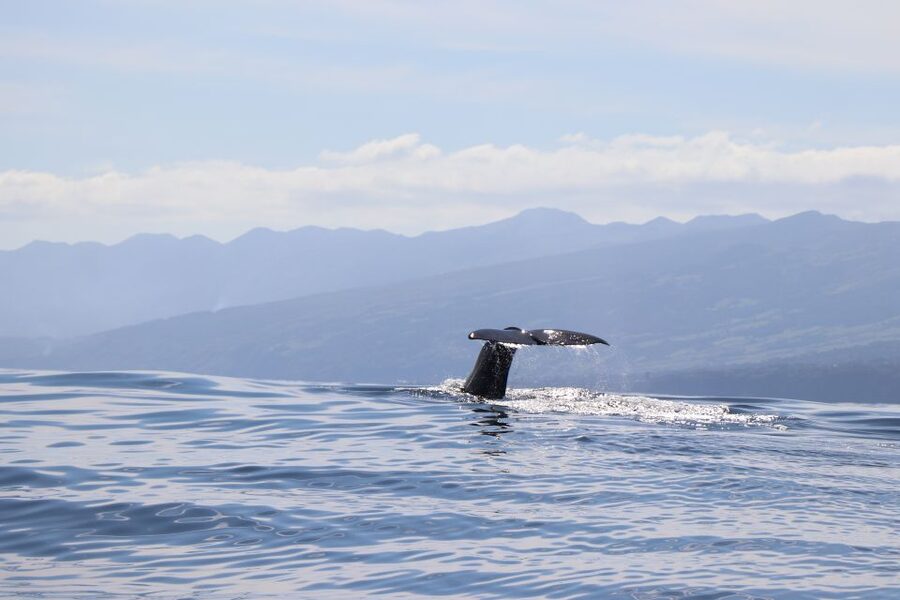
The heart of the trip is the search itself. Your crew works with land-based whale spotters in Faial and Pico, then uses reports and conditions at sea to locate animals. Once a whale or dolphin appears, the captain approaches carefully and keeps an appropriate distance.
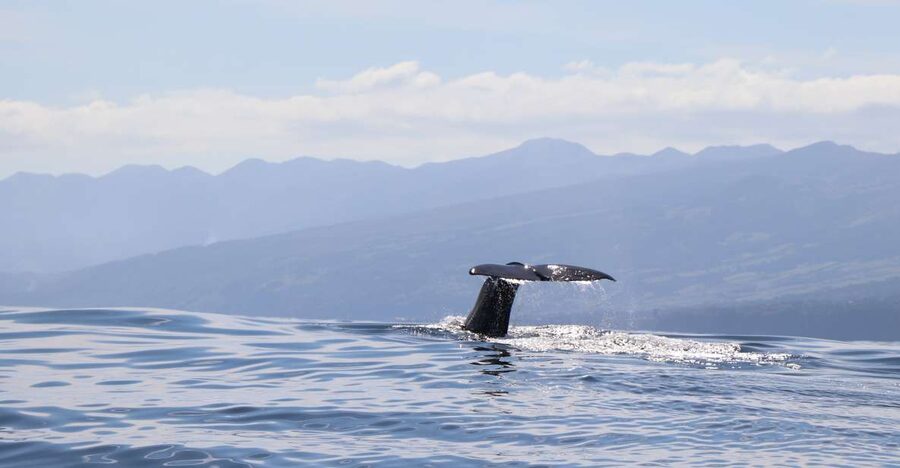
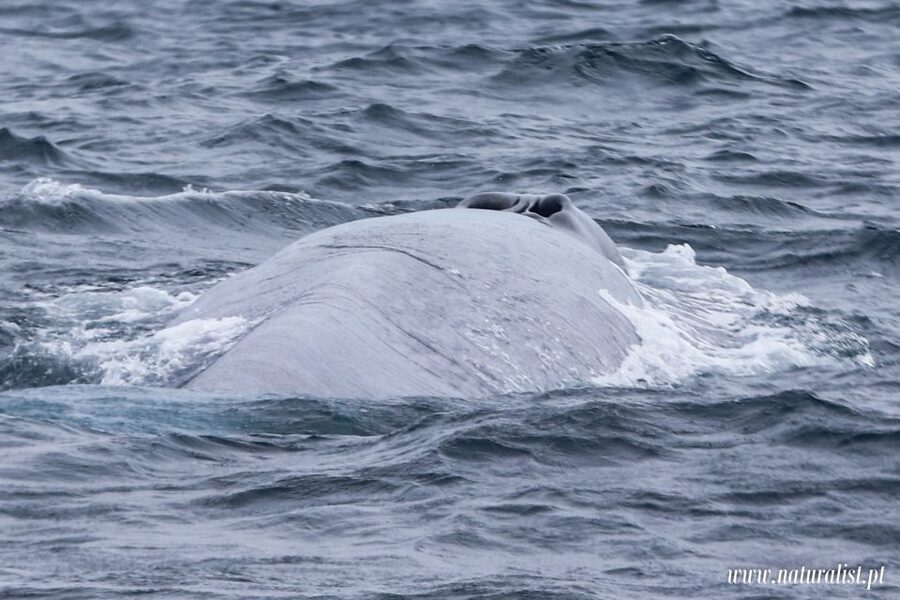
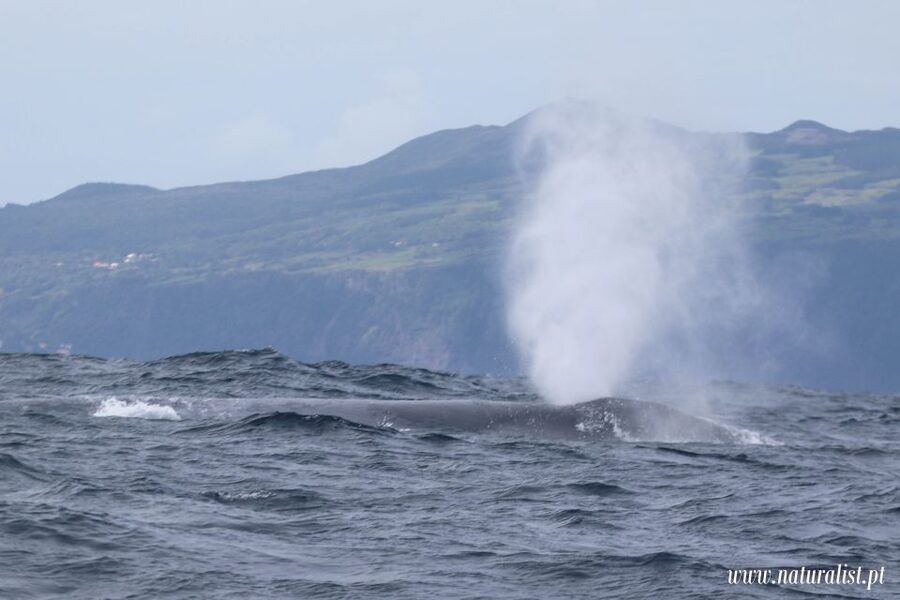
Past outings have produced an impressive range. Sperm whales are resident in the area and can be seen throughout the year. Blue and fin whales are associated mainly with spring, while sei and Bryde’s whales may also appear in summer. Humpback whales are migratory, so their presence depends on the season and current conditions.
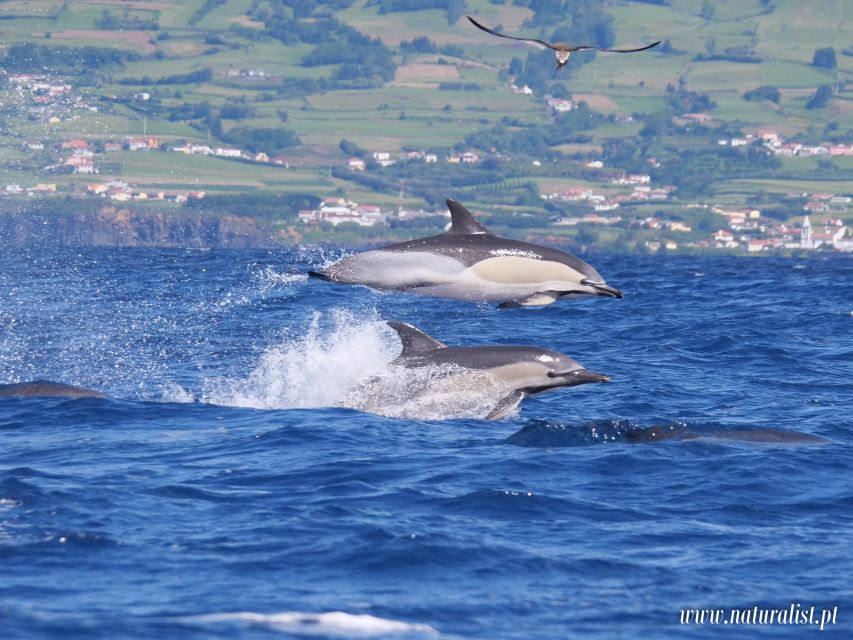
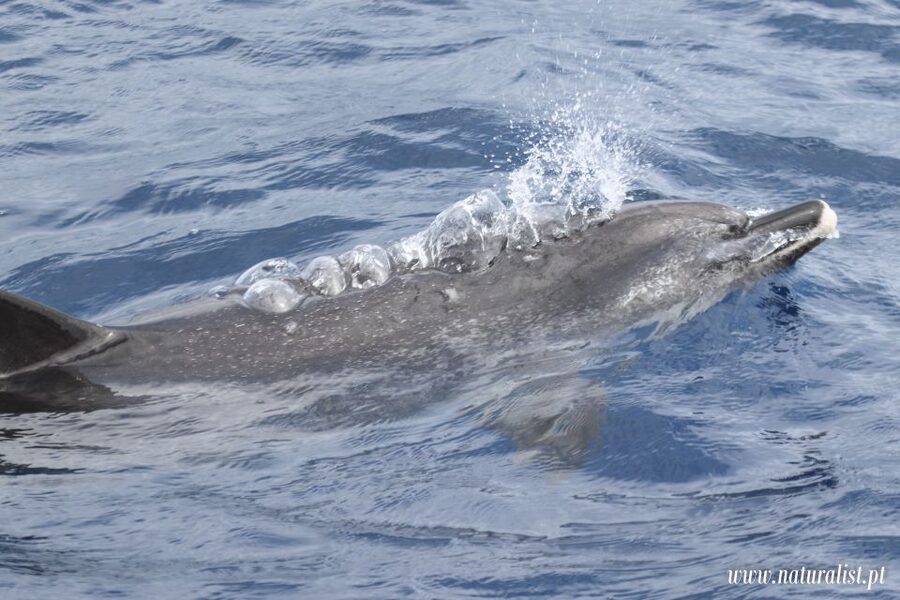
Dolphins add another strong reason to book. Bottlenose, Risso’s, and common dolphins are resident species, and other kinds pass through the region. One trip brought a group close to dozens of dolphins, while another saw hundreds feeding alongside sperm, sei, and humpback whales. Those large mixed feeding scenes are possible, but they are not promised.
You may also see creatures that receive less attention than whales. Loggerhead and green turtles live in the Azores, and leatherback and Kemp’s ridley turtles can occur as well. Flying fish, squid, octopus, hammerhead and blue sharks, and ocean sunfish are all possible sightings. The word to remember is possible. This is wildlife, not a zoo schedule.
That uncertainty is part of the bargain. One four-star account described a good outing without seeing whales. The company cannot control where animals surface or how long they remain nearby. The advantage here is that the crew keeps searching and can move to another area when conditions suggest a better chance.
What the captain and biologist add to the outing
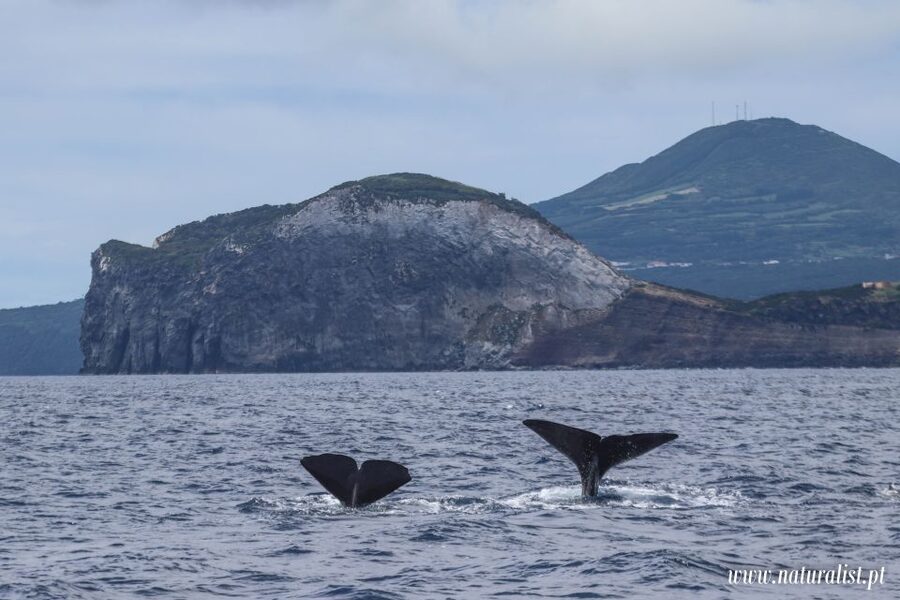
The best trips combine a capable captain with a guide who can turn sightings into understanding. A past outing described the captain moving carefully and maintaining distance from the whales. Another praised the captain for repositioning the boat after waiting, trying to place the group where the animals would pass.
That matters for both safety and animal welfare. You want a good view, but not at the cost of crowding a whale or cutting across its path. The boat’s speed helps it cover ground, yet the approach near animals should be controlled and respectful.
The biologist also helps you make sense of quick moments. A sperm whale may surface, breathe several times, and disappear. A dolphin group may move rapidly across the bow. Without explanation, you could easily miss what makes the sighting special. With a researcher nearby, you get context while the event is happening.
This is also a good trip for anyone who likes birds. Cory’s, great, and Manx shearwaters may appear, as can common and roseate terns. One October trip included shearwaters and tuna, while another saw thousands of birds feeding near whales and dolphins. In the Azores, the ocean is the main stage, and the bird activity often reveals where fish and larger animals are feeding.
More RIB and Zodiac Boat Tours in Portugal
- From Calheta: Whale and Dolphin Watching RIB Boat Tour
★ 4.9 · 298 reviews - Benagil Cave Boat Tour – Catamarans or Rib – 2 H From Portimão
★ 3.5 · 288 reviews - Funchal: RIB Whale Watching Cruise and Optional Dolphin Swim
★ 4.6 · 273 reviews - Albufeira: Dolphins & Benagil Caves RIB Tour
★ 4.6 · 241 reviews
The RIB ride: fast, open, and sometimes wet
A rigid inflatable boat gives you a close-to-the-water view and a lively ride. It is quicker and more exposed than a larger whale-watching vessel. Some people find the speed exciting. Others may find three hours on open water tiring, especially when the sea is rough.
The front seats are the wettest. Bring waterproof or quick-drying footwear, even though waterproof jackets and trousers are supplied. The clothing is useful, but it does not guarantee that your shoes or lower layers will stay dry.
One spring outing was described as turbulent because of the weather. The passenger still considered the whales worth the rough ride, but that is a personal call. If you are prone to seasickness, a small open boat deserves serious thought. The supplied information does not mention seasickness medication or onboard food, so bring only what the operator permits and ask directly if you need special arrangements.
This trip is specifically unsuitable for pregnant women, people with severe back problems, people with recent surgeries, and children under five. Those limits make sense given the movement of a semi-rigid boat. If you have another medical concern, contact the operator before booking rather than relying on the general description.
What you will and will not receive
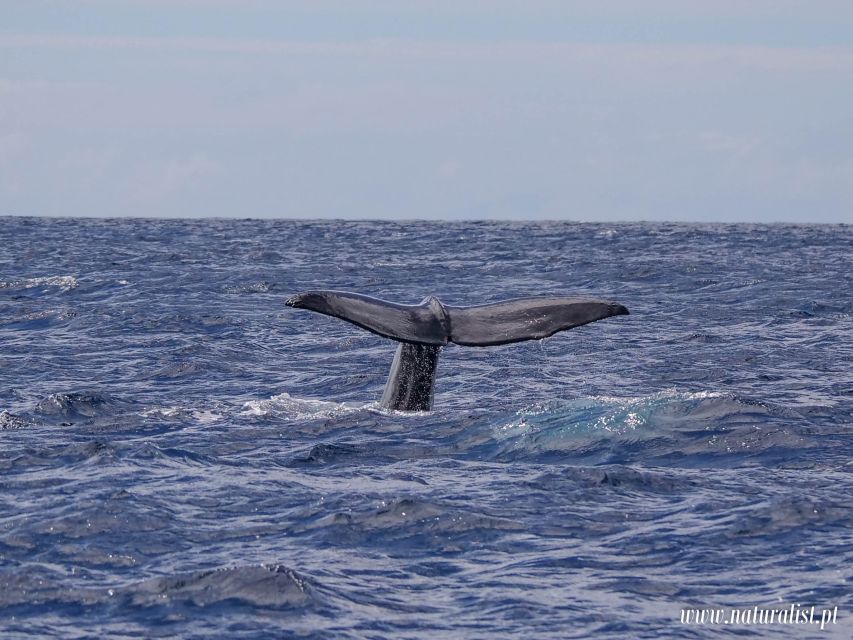
The price is $101 per person. That is not the cheapest way to spend three hours in the Azores, but the value is stronger if you care about interpretation and research as much as the sighting itself.
Your fee includes the marine researcher, safety insurance, waterproof clothing, and a briefing about the animals and the outing. You do not pay separately for the scientific explanation. Food and drinks are not included, and hotel pickup is not included.
Some outings have ended with complimentary photos taken by the guide. That is a pleasant extra, but I would not book on the assumption that a full photo package is guaranteed. Bring your own camera or phone only if it can be protected from spray, and keep your attention on the water rather than staring at a screen.
The price also buys a flexible search rather than a short, scripted boat ride. The crew may spend time relocating to find animals, and the researcher remains available to explain what is happening. If you only want a quick photo beside a whale, the cost may feel high. If you want a small-group marine lesson with a real chance of multiple species, it is easier to justify.
Weather, cancellations, and the reality of wildlife
Weather is the biggest practical variable. Trips depend on sea conditions and may be moved to another date. If the operator cancels, you receive a full refund. You can also cancel up to 24 hours before departure for a full refund, and reserve now while paying later.
A storm has caused at least one outing to be rescheduled, but the communication was described as proactive and flexible. In that case, staff even made it possible to begin from Pico. That suggests the company can adapt when conditions change, though you should still keep a little space in your schedule.
Do not place this tour on the same day as an important flight or ferry connection. A weather delay can affect your plans, and the boat cannot run simply because your itinerary is tight. The morning departure at 9:00 gives you the afternoon free if conditions cooperate. The 2:00 departure lets you take a slower morning, but leaves less room for another activity afterward.
The species calendar can help you choose. Sperm whales are the safest year-round target because they are resident. Spring improves the chance of blue and fin whales. Summer can bring sei and Bryde’s whales, while dolphins remain a strong possibility across the season. No month guarantees a particular species.
Who will get the most from this Horta trip
I would choose this outing if you want an informed, research-linked trip rather than a basic boat ride. It suits people who enjoy natural history, photography, birdwatching, and the chance of seeing several kinds of marine life in one outing.
It is also a good choice if you prefer a smaller boat and an active search. The RIB gets you close to the sea and can cover ground quickly. The tradeoff is a rougher ride and more exposure to spray.
You may want another option if you need a covered, gentle vessel, have a serious back issue, are pregnant, or are bringing a child under five. You should also think twice if seeing a whale is your only acceptable outcome. The crew makes a serious effort, but no responsible operator can promise a sighting.
The educational side is especially useful for families with older children, students, and adults who want to know what they are looking at. Still, remember that this is not designed for very young children, and the boat’s movement can be demanding.
My verdict on the $101 price
At $101, this is a mid-to-high priced three-hour activity, but the inclusions make a difference. You receive waterproof clothing, insurance, a safety briefing, and a university marine researcher who stays with the group. You are also paying for the crew’s land-based spotting network and the ability to adjust the search at sea.
The value is highest on a day with several species, such as sperm whales, sei whales, humpbacks, dolphins, and feeding birds. Past trips have delivered exactly that kind of variety, along with turtles and tuna on some departures. But the price does not remove the basic risk of nature-based tourism: you might see only a few animals, or no whales at all.
For me, the research connection and the careful approach push this above a generic fast-boat outing. The supplied gear helps, and the small group sizes reported on some departures are another plus. Just budget for the possibility of rough water, bring suitable footwear, and treat the wildlife sightings as a privilege rather than a product guarantee.
Should you book the Horta whale trip?
Book it if you want science, wildlife, and a fast open-water ride in one outing. The strongest reasons are the university biologist, the wide range of possible species, and the crew’s willingness to keep searching and repositioning carefully.
Skip it if you cannot tolerate an exposed RIB, need a guaranteed whale sighting, or have a medical condition that makes a rough boat unsafe. For everyone else, $101 is a fair price for a serious three-hour search with useful interpretation and a real connection to Azorean marine research.
FAQ
Where does the whale-watching trip depart from?
It departs from the Horta marina in Faial. Look for Naturalist Science & Tourism Whale Watching and arrive 15 minutes before departure.
What time do the tours leave?
Morning tours leave at 9:00, with an arrival time of 8:45. Afternoon tours leave at 2:00, with an arrival time of 1:45.
How long is the outing?
The expedition lasts about three hours, including the safety briefing, boat travel, wildlife search, and viewing time.
How many people can fit on the boat?
The semi-rigid RIB has space for up to 16 passengers. Group size can vary, and some past departures had about 11 or 12 tourists.
Which languages are available?
Tours are offered in English and Portuguese. Spanish may be possible, while French must be requested in advance and depends on availability.
Is a marine biologist included?
Yes. A marine researcher from the University of Lisbon and the Azores is on board to explain marine life and collect data.
What should I wear?
Waterproof clothing is provided, including a jacket and trousers. Bring waterproof or quick-drying shoes because the front of the boat can get wet.
Is the trip suitable for children and people with mobility concerns?
Children under five cannot join. The trip is also not recommended for pregnant women, people with severe back problems, or people who have recently had surgery.
What happens if the weather is bad?
Trips depend on weather and sea conditions. The outing may be rescheduled, and you receive a full refund if the operator cancels.
Just added around Portugal
- Speed Boat with Crew from Vilamoura★ 4.5 · 6 reviews
- Coasteering and Speedboat, Arrábida Setúbal, Sesimbra near Lisbon★ 5.0 · 21 reviews
- Porto 6 bridges Speedboat Tour along the Douro★ 5.0 · 27 reviews
- Funchal: Speedboat tour- SEE THE ISLAND AND LIFE AT SEA★ 4.5 · 6 reviews
- Lisbon Sunset Speedboat Tour★ 5.0 · 18 reviews
- Lisbon Landmarks by Speedboat: Private 1-Hour Tour on the Tagus★ 5.0 · 16 reviews
- Benagil Caves- Speed Boat Tour★ 4.5 · 51 reviews
- Dolphin Expedition Shared Speedboat tour with Biologist guide★ 5.0 · 5 reviews
RIB & Zodiac Boat Tours, compared.
Tadoussac/Charlevoix: Whale Watching Zodiac Tour
Read our review →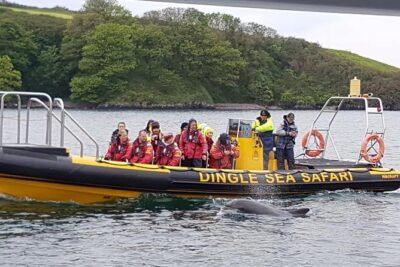
Exhilarating Rib experience – Dingle sea safari
Read our review →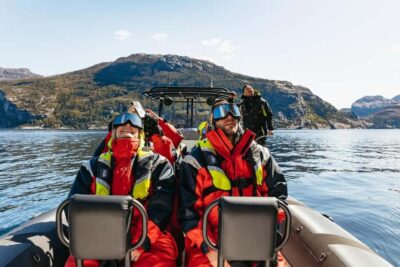
From Svolvær: Lofoten RIB Sea Eagle Safari Trollfjord Cruise
Read our review →
Granite Falls Zodiac Tour by Vancouver Water Adventures
Read our review →